§01 — Methodology
The night
is not empty.
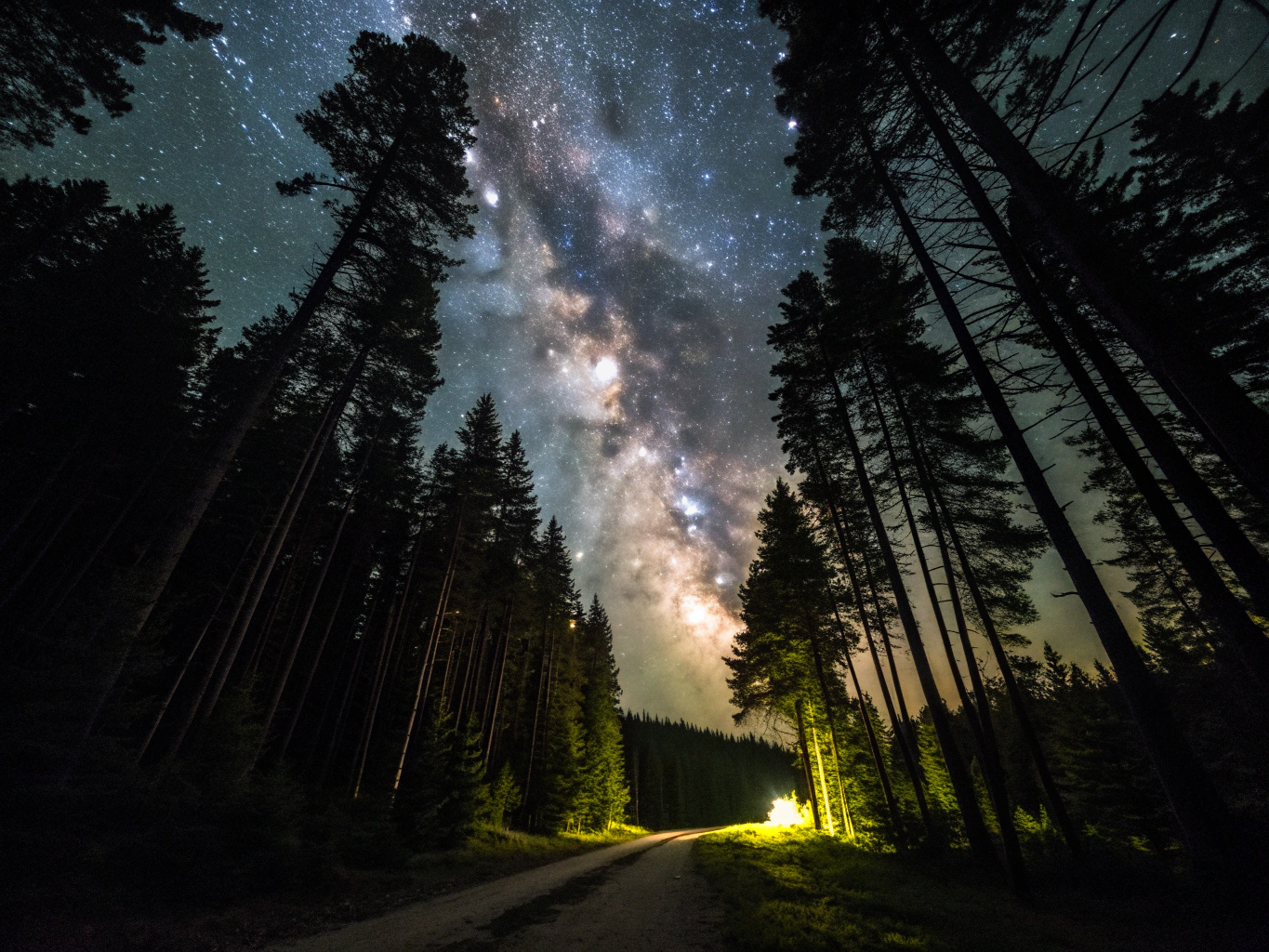
We document the 217 places where the night sky remains intact. Our registry provides the scientific framework to measure, protect, and restore the darkness. Each entry is a record of what we have lost and what we must preserve.
Sky Brightness Metrics
Understanding the Bortle scale, SQM readings, and the scientific methodology used to quantify the loss of the night.
Light Pollution Policy
Navigating municipal lighting codes, shielding requirements, and the legislative frameworks protecting our dark skies.
Ecological Impact Studies
Analyzing how artificial light at night disrupts migration, circadian rhythms, and the survival of nocturnal species.
Lighting Design Principles
Selecting warm-spectrum LEDs, precise optics, and motion-sensing technology to minimize light spill and glare.
Registry Documentation
Standardizing observational data, mapping techniques, and the archival process for the global dark sky registry.
Community Advocacy
The craft of presenting dark sky conservation to local councils — translating scientific data into public policy.
Registry updates occur annually. Next audit: January 2026.
Join the Nightwatch
Switch one light off.
Four
Commitments.
Precise actions to restore the night. These four principles define our collective stewardship.
Shielding
Direct light downward. Eliminate glare. Prevent light trespass into the night sky. Every fixture must be fully shielded.
Warmth
Limit blue light emission. Use warm color temperatures below 3000K. Protect circadian rhythms of nocturnal wildlife.
Necessity
Light only when needed. Use motion sensors and timers. Turn off non-essential lighting during late-night hours.
Intensity
Light only what is needed. Reduce lumen output to the minimum required for safety. Avoid over-lighting public spaces.
Registry
Document your site. Join the global network of dark sky stewards. Help us map the remaining pristine night skies.
Switch one light off.
NINE CLASSES. One NIGHT SKY.
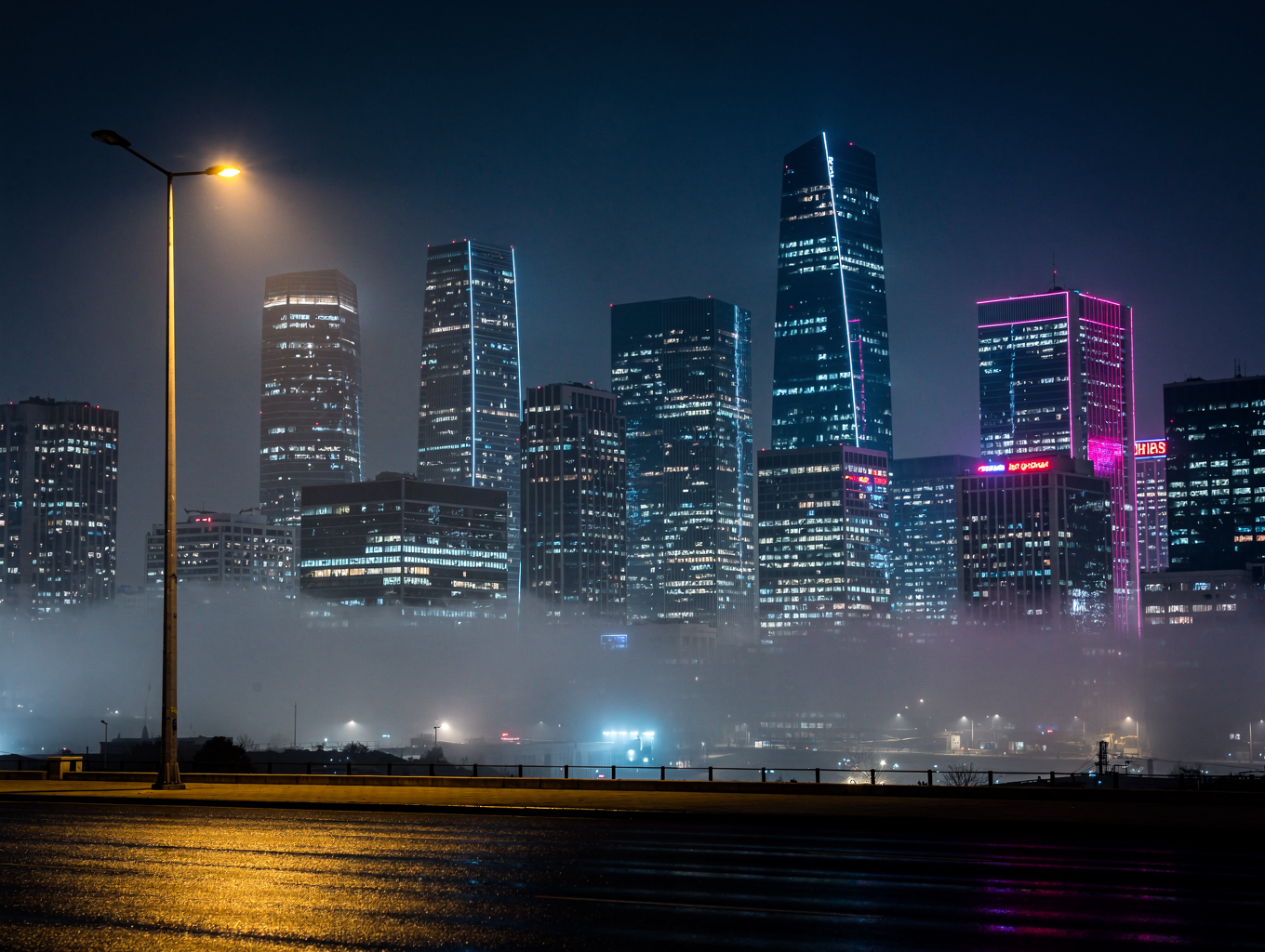
The Bortle scale measures the astronomical observability of celestial objects. Most urban populations live at class 8 or 9, where the Milky Way is invisible. We document the transition from light-polluted haze to the absolute dark of the wild.
- 9 CLASSES OF DARKNESS
- GLOBAL MEASUREMENT
- NIGHTWATCH REGISTRY