The night is fading. We track the loss of the stars across the globe.
Global sky brightness is rising annually, eroding the visibility of the stars for millions of people.
Registered dark sky locations worldwide where the night remains intact and protected from light.
Portion of Europe and North America currently living under light-polluted skies, obscuring the galaxy.
The 1994 Los Angeles earthquake report of a giant silvery cloud, later identified as the Milky Way.
The scale runs from 1 to 9. Most of us live at 8.
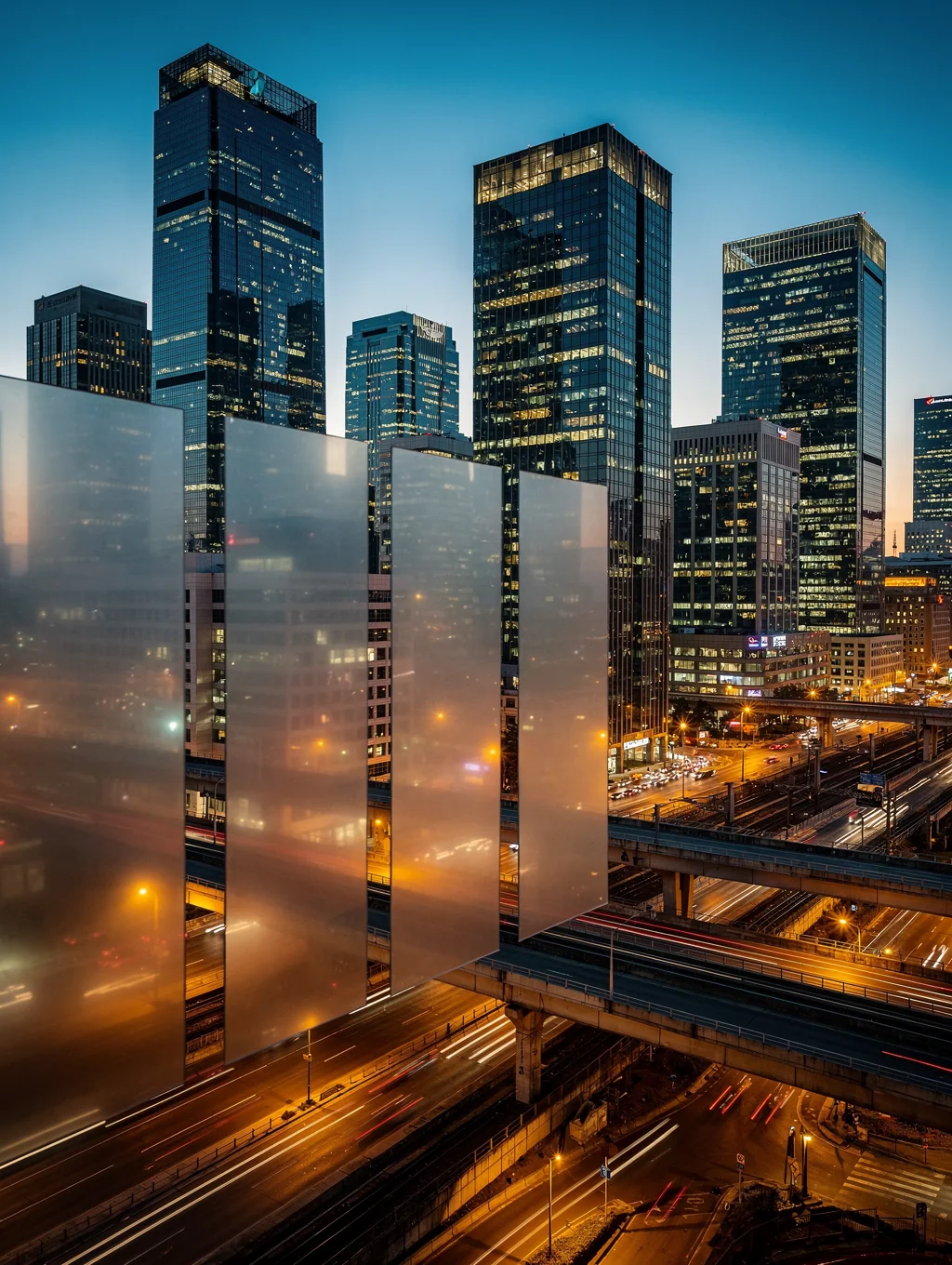
— the night is not empty, it is simply hidden
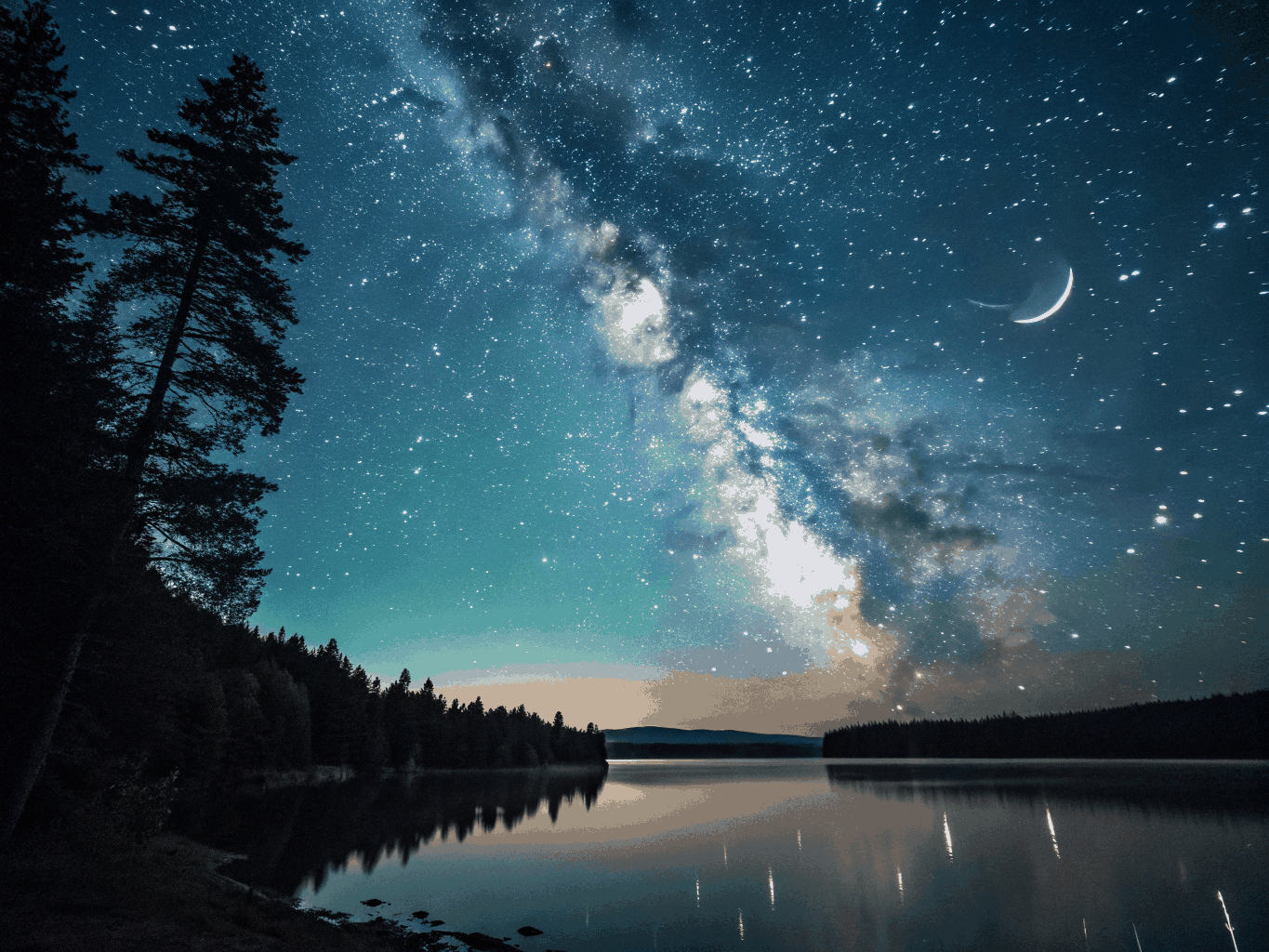
Switch one light off.
A global registry of the last places on earth where you can still see the stars.
The Dark SkyAtlas
A global registry of the last intact night skies.
— 03 / Certified Reserves
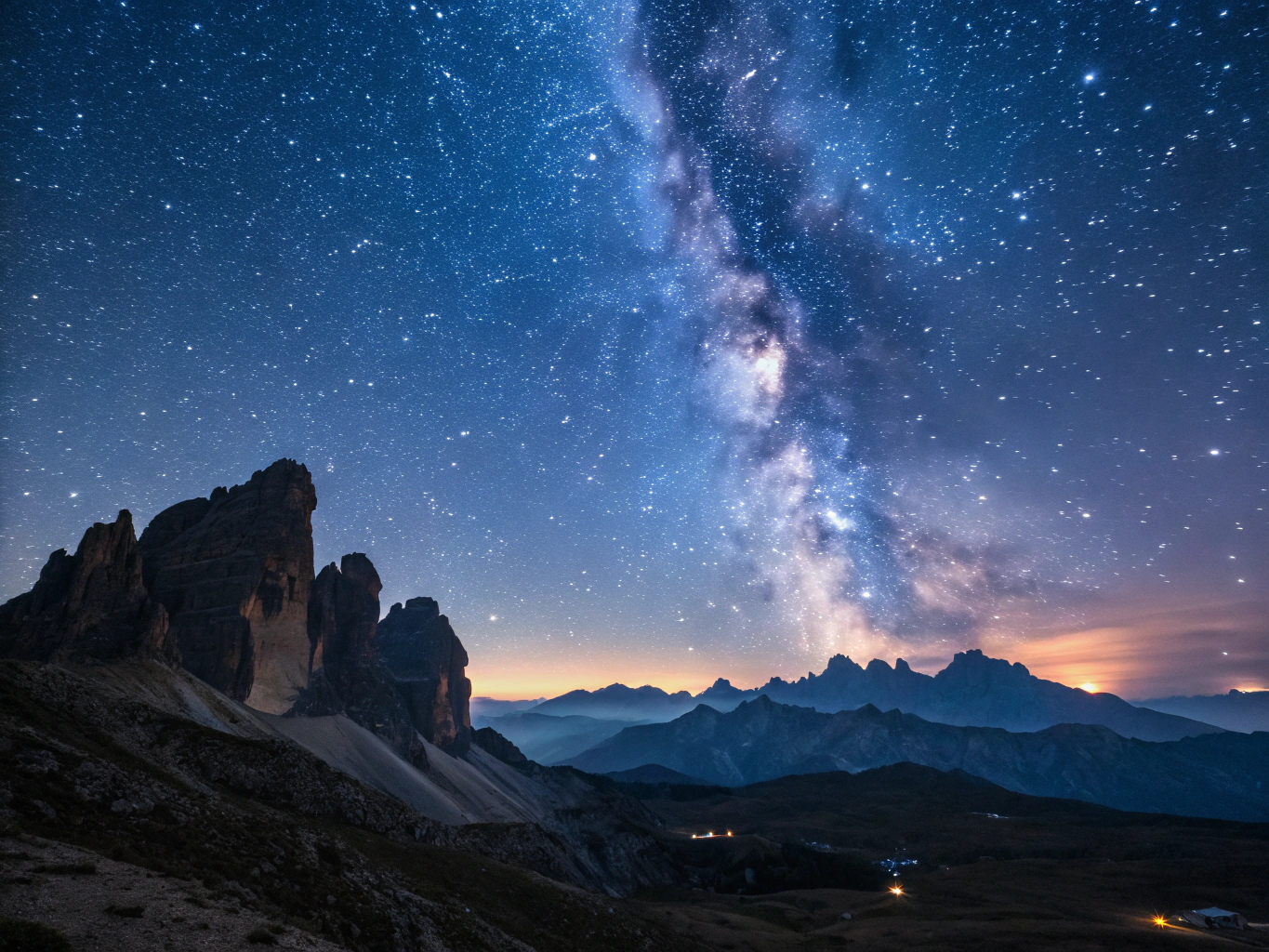
The last places, still intact.
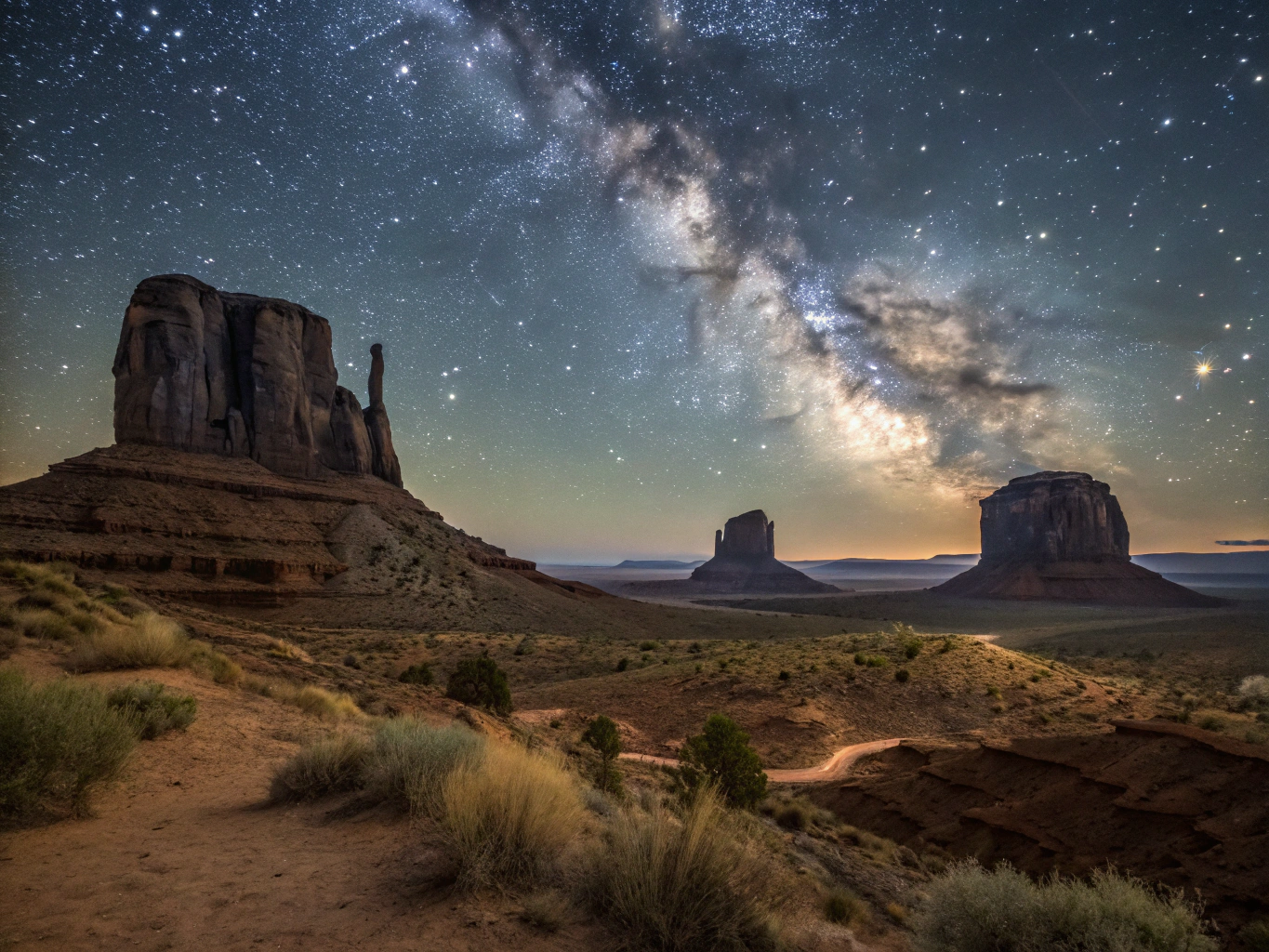
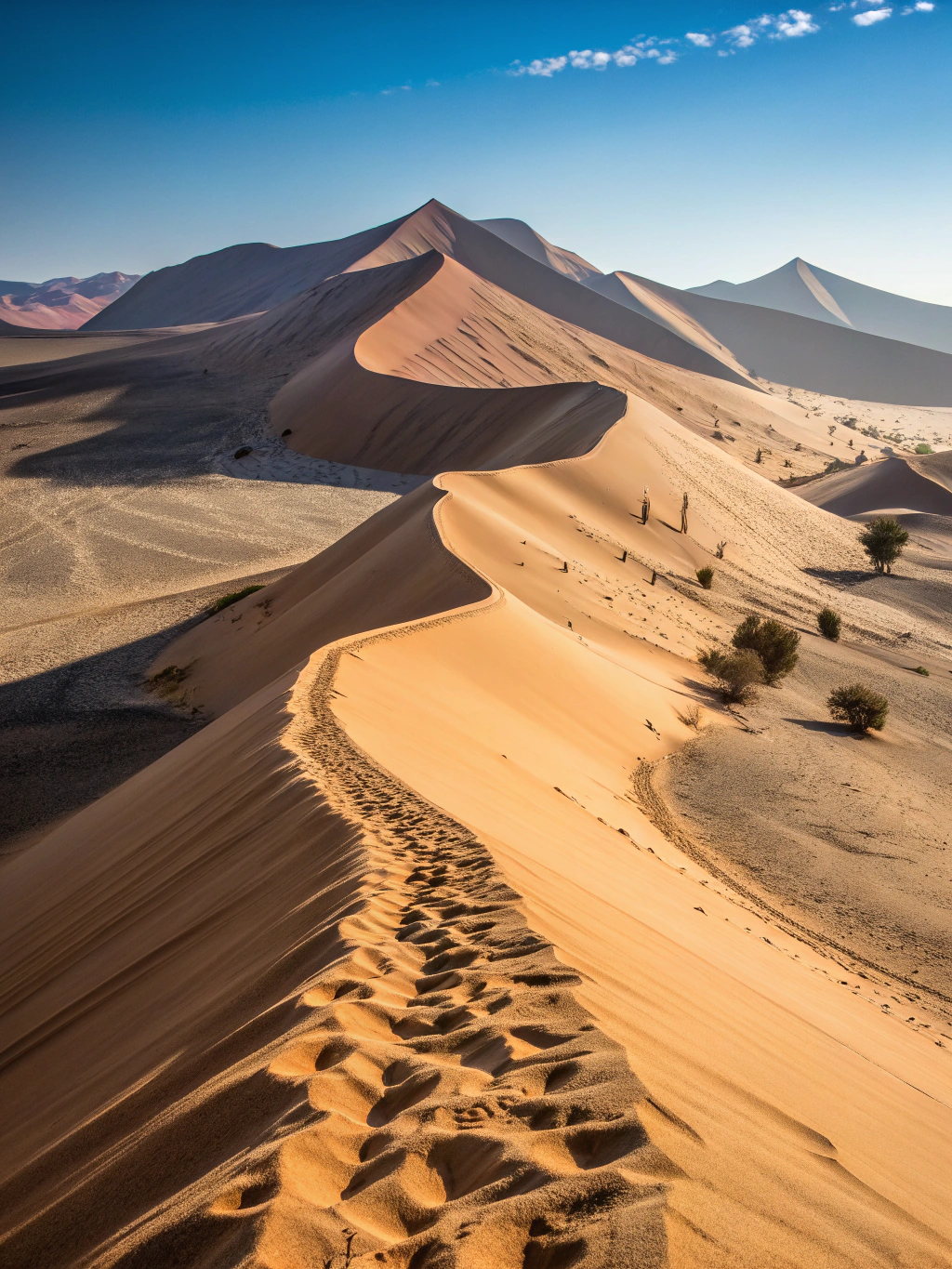
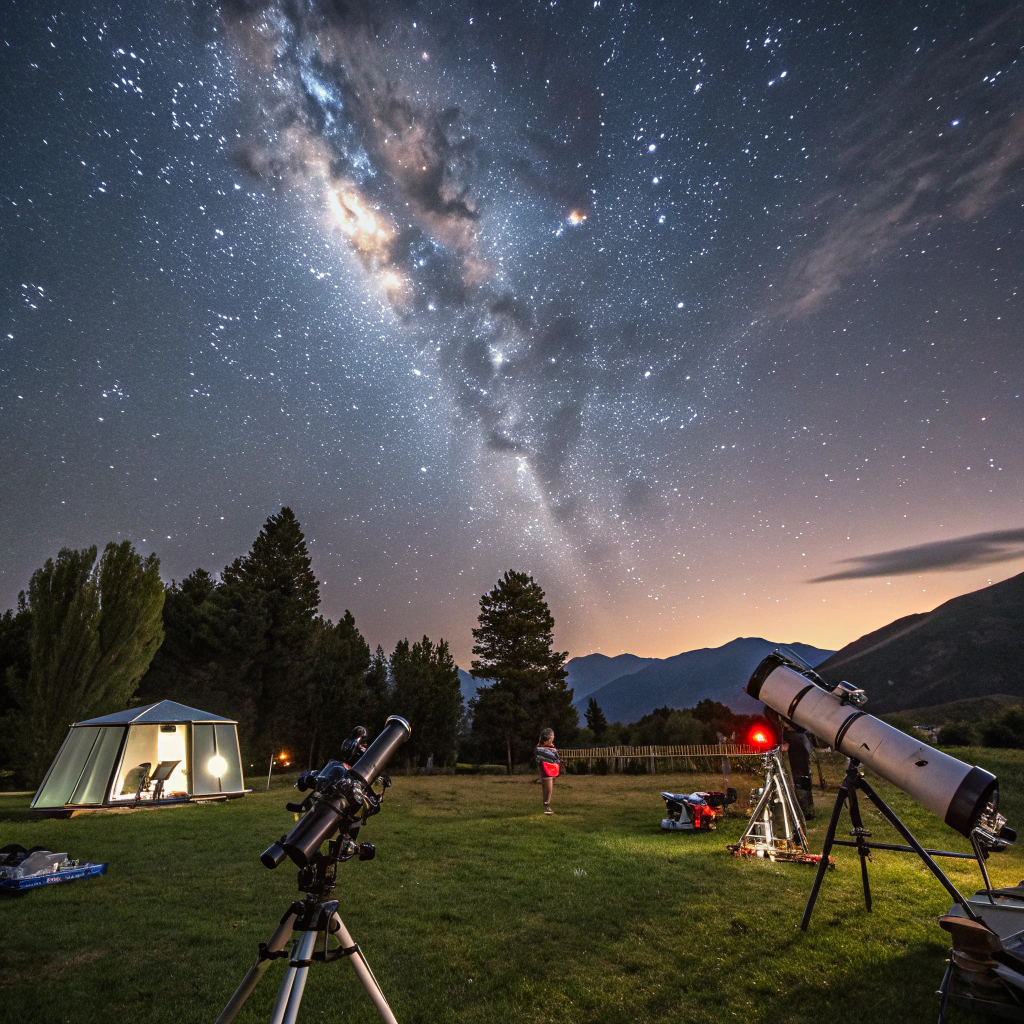
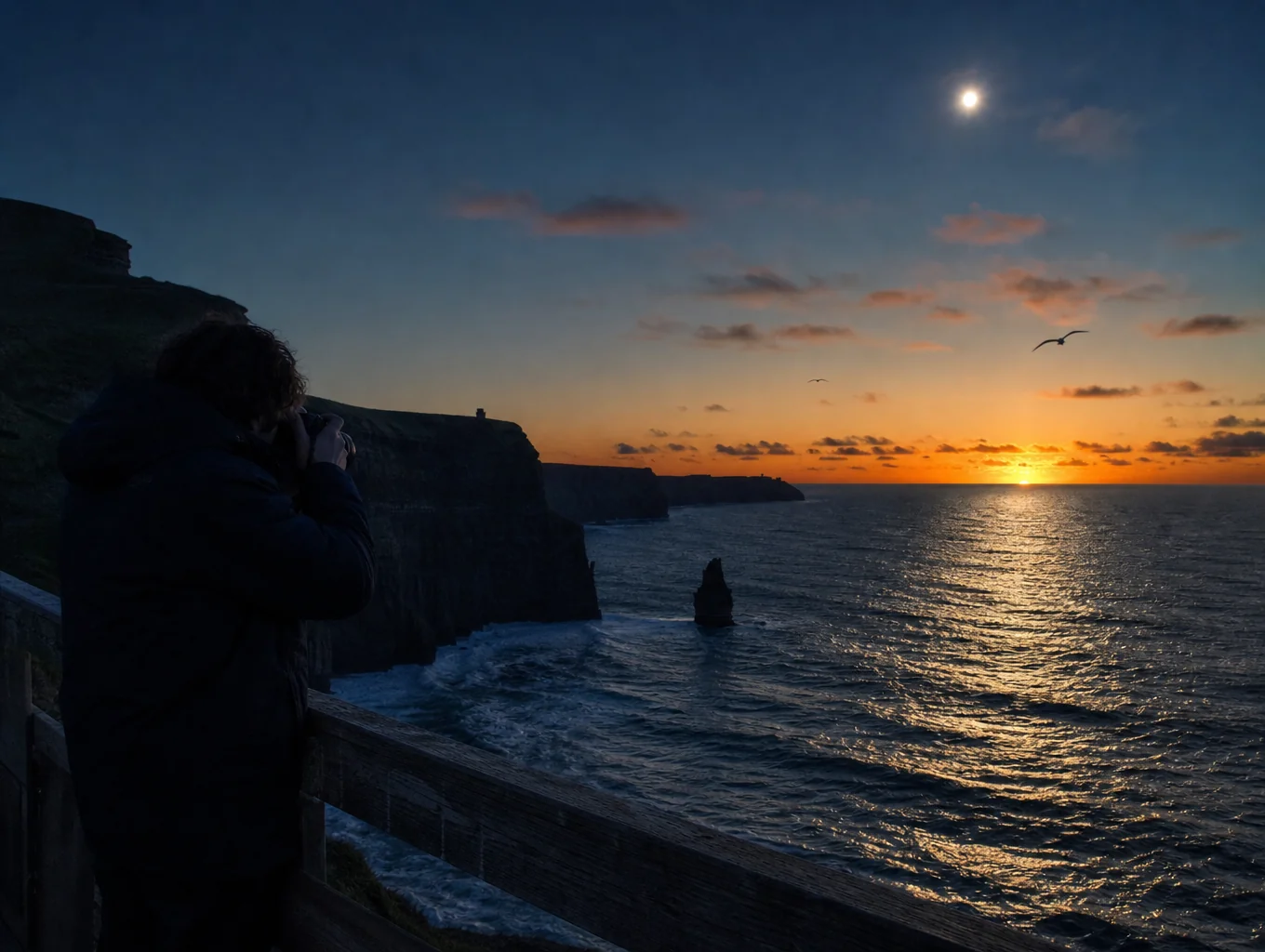
The night is not empty.
Light pollution is a silent, rapid transformation of our environment. We document the consequences of losing the dark, from biological disruption to the fading of our cultural memory.
Migration paths
Artificial light disrupts the celestial navigation used by migratory birds and insects.
Biological clocks
Melatonin suppression in humans and wildlife alters sleep, immunity, and reproduction.
Cultural memory
The loss of the night sky erases the shared human heritage of the stars above.
Energy efficiency
Unshielded light is wasted light — directed upward, it serves no human purpose.
Safety standards
Glare creates deep shadows; proper shielding improves visibility and security.
Ecosystem health
Darkness is a habitat requirement for nocturnal species to hunt and thrive.